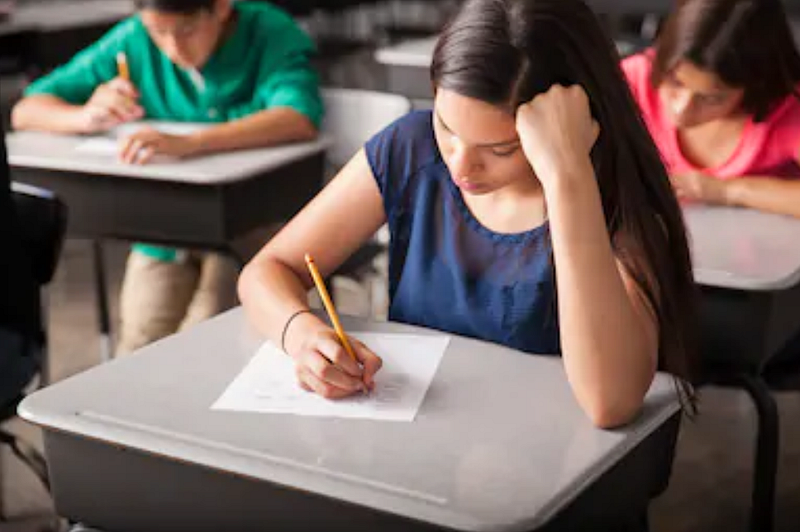
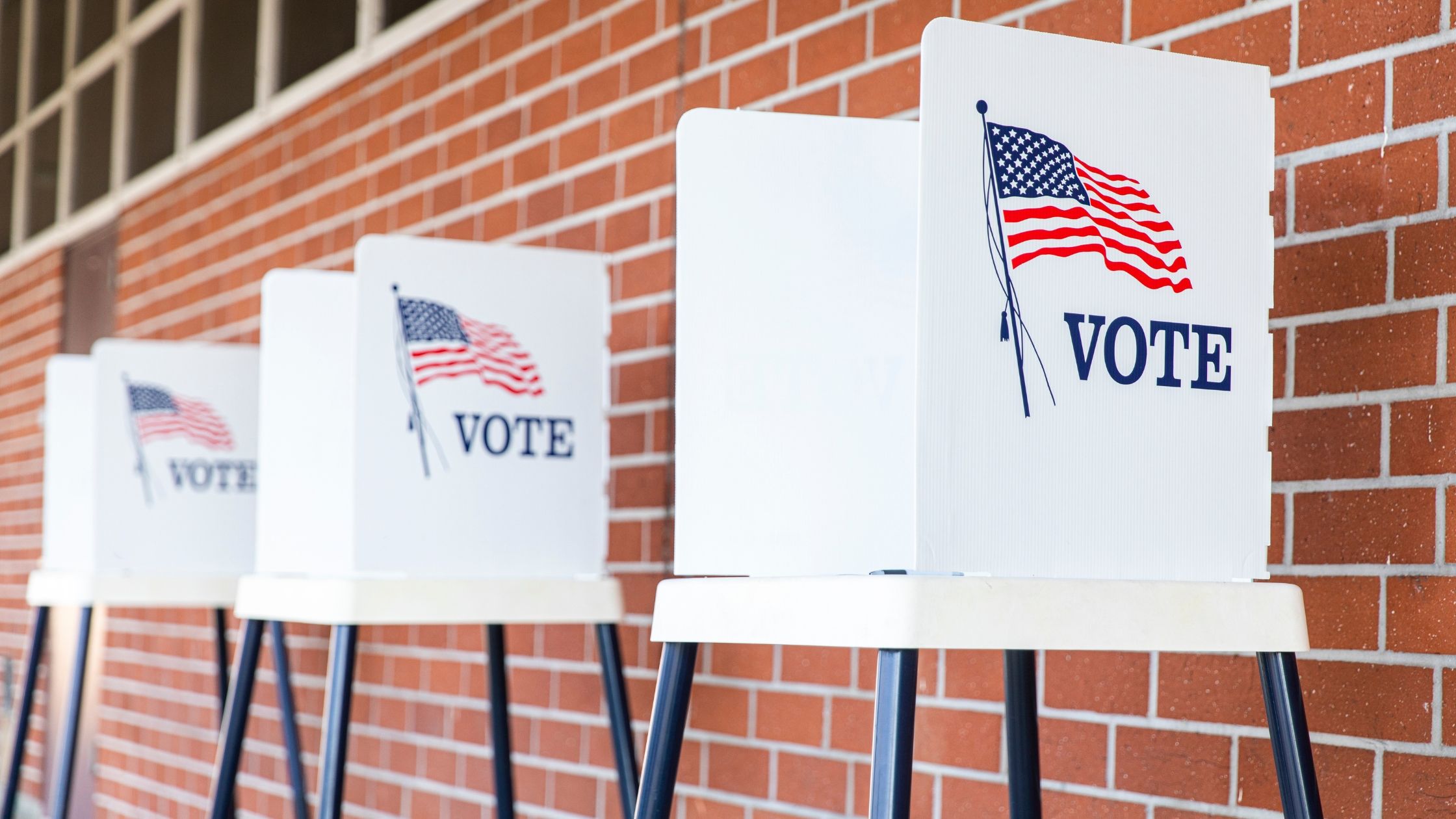
According to data published by the Kentucky State Board of Elections, only 25.7% of Kentucky’s registered voters participated in last week’s November 3rd midterm election. This highlights the importance of encouraging civic engagement and educating younger generations, since they will soon be participating in the democratic process themselves. Helping students to register is the first step in cultivating larger voter turnout in future elections. To better understand the efforts currently being made to assist eligible high school students in registering to vote, I spoke with voter registration coordinators at high schools in my county.
Maggie McMillin, a Junior at Scott County High School, currently holds the position of Civic Engagement Chair in her school’s Y-Club Chapter, as she has for most of her high school career. Her responsibilities include planning voter registration efforts, helping eligible students to register, and educating students on local issues in politics.
In describing what had been done in previous years, she admitted, “I can’t say that we’ve had a whole lot of success with it...we've done booths; that has pretty much been the main thing so far,” she said.
This year, Maggie decided to switch things up in hopes of getting more students interested in the democratic process. Instead of booths that required students to register right there on the spot, she is “giving people more freedom” by providing them with all of the information they need to register at a time that is convenient for them. To make this work, she attended one of the senior class meetings and gave these resources to all of the students in attendance.
Maggie’s goal is to “show people that their vote does matter," she said.
She feels that schools should provide more civic education and that the lack thereof is why students don’t express much interest in politics, especially non-presidential elections.
“The presidential elections are so publicized that people can get on Instagram or TikTok and they immediately see posts about the candidates that are running in a presidential election,” she explained. Since many students only see news that comes across their social media feed, she believes that a lack of advertisement and publicity during non-presidential elections is a substantial factor in low engagement during non-presidential elections.
To understand the situation across the county, I spoke with the voter registration coordinator at Elkhorn Crossing School (ECS). ECS is a half-day career and technical high school in Scott County. Students who attend ECS were accepted to their pathway of choice after submitting an application the previous winter. The pathways offered include Law and Justice, Engineering, Health Sciences, Biomedical Sciences, and Media Arts.
“Voter registration is extremely important and I find it in my classroom that especially with my freshman class we learn the basics of being active in a democracy,” Social Studies teacher Amanda Sunda said.
Sunda is a teacher in the Media Arts pathway at ECS. She has been teaching at ECS for the past 3 years and teaches Media Arts students from their Freshman year through their Junior year.
Her freshman class has an optional honors track in which students are required to complete projects throughout the year. She gives students independence to choose what projects they wish to complete, and the last two years they have chosen to run a voter registration drive in the spring semester.
While Sunda said that, in general, people get more excited about a presidential race, she is adamant about the importance of other elections, too.
“Our local government and voting for who’s mayor and who's on our city council is really just as important,” she said.
Juniors and seniors at ECS are seemingly more involved and curious when it comes to voting and elections. “Something that is really neat about ECS is that I get to watch these students grow up,” Sunda said. Her first group of freshmen are juniors now, and she’s watched them take their understanding of how democracy works and apply it to thinking critically about voting and candidates.“To have them every single year and to hear them have those discussions about politics, they are using stuff that we learn in class and applying it,” she said.
As schools continue their efforts to encourage and assist with voter registration among students, these coordinators are hopeful that the impact will continue to grow for future elections. Changes are being made, whether that is the approach taken or the timing of the event, or how awareness is being raised. The future for voter registration has large potential. However, registration is just the first step. It is important that educators continue to encourage civic engagement and interest in our government and the people who run it.
As Maggie said, “If people don’t vote, they don’t get the things that they want changed to be changed.”