Welcome to our series, The School Dispatch! This column will spotlight different students from across the commonwealth, each edition giving someone the opportunity to share the good, bad, and the ugly of what’s going on in their school or district. From unique events, to new trends, to causes of complaint, this series will show readers what Kentucky’s schools look like from a student’s lens.
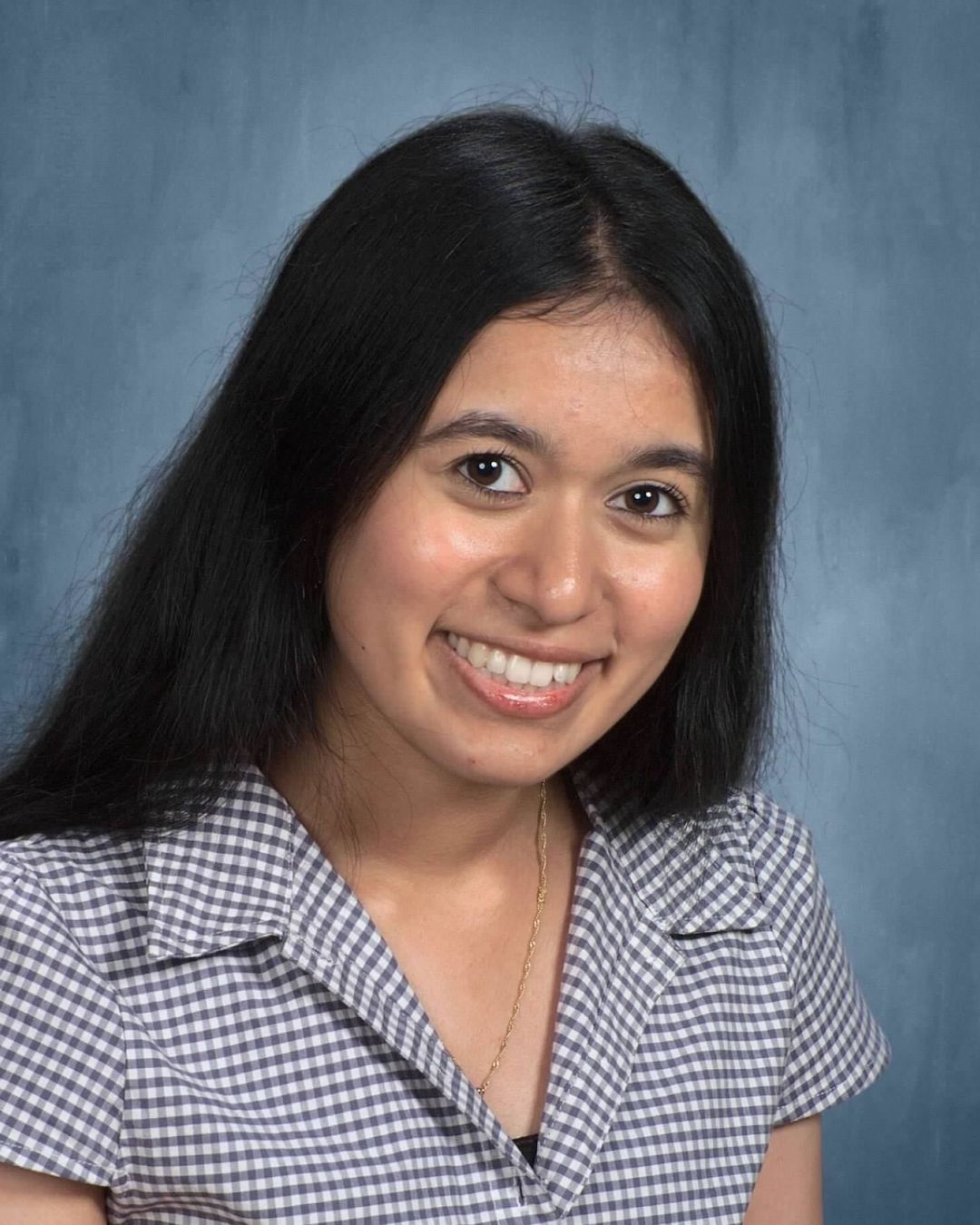
By Tara Rakesh, Randall K. Cooper High School
On a recent morning at Randall K. Cooper High School in Union, Kentucky, a teacher spoke into a small microphone clipped around her neck. Her words traveled not only through the room, but directly to a student’s device, translated to Spanish in real time. Boone County Schools are working to expand accessibility for its growing population of English Language Learners using classroom technology and individualized instructional plans. This effort is especially important as about 8.8% of Boone County residents age 5 and older speak a language other than English at home, indicating increasing linguistic diversity. Educators are rethinking what meaningful access looks like for multilingual students.
“Accessibility requires that students are not only able to receive knowledge but are equipped with the adequate tools to process and model their understanding,” said Gabriel Ross, EL teacher and coordinator at Cooper High School. Ross emphasized that accessibility is an ongoing process, one that requires collaboration across an entire school. “Our EL population is the responsibility of the entire building,” he said.
One of the most significant challenges ELL students face is navigating classrooms where expectations and instruction often assume full English proficiency. To address this, Boone County Schools relies on individualized Program Service Plans (PSPs), which outline specific accommodations for each student, working to ensure every student feels supported. “When there is confusion, the EL teacher for the building provides guidance on PSPs and how to locate them,” Ross explained.
At the district level, Boone County Schools approaches ELL education with what District EL Coordinator Alisa Alcock describes as an “asset-based lens.” The district recognizes students’ home languages and cultures as strengths. “We work to recognize student’s home languages, cultures, and lived experiences as strengths that enhance learning,” Alcock said.
In 2025, Boone County Schools introduced the Clear Connect system, a new classroom audio technology in partnership with Audio Enhancement, designed to provide real-time translation for newcomer students and amplify teachers’ voices. The system allows students to process content in their first language while gradually building English proficiency.
According to Boone County Executive Director of Student and Community Services Kathy Reutman, the investment was driven by a focus on equity and clarity. “Even small issues with sound quality can significantly impact comprehension, especially for English Language Learners,” she said.
However, district leaders stress that technology is only one portion of a larger strategy, explaining that translation alone is not the end goal. “Boone County Schools views classroom audio enhancement as one component of a broader accessibility strategy rather than a standalone solution,” Reutman noted. “As the district evaluates implementation data and feedback, there are opportunities to expand or refine use of the technology in additional learning spaces and integrate it with other instructional supports.” By taking the first step towards widespread accessibility for ELL learners, Boone County has begun the journey towards embracing diversity and supporting equal access to education.
Beyond academics, schools are also working to foster social and cultural inclusion. At Cooper, ELL students are encouraged to share their backgrounds and build relationships with peers. “We encourage our students to embrace who they are, regardless of their background, language, race, or ethnicity,” Ross said.
While progress is evident, all three educators acknowledged there is still room to grow, particularly in expanding culturally responsive practices and ensuring consistency across classrooms. Still, the outlook remains hopeful. “If you meet the students where they are, provide what they need based upon their current language level, and show them love,” Ross stated, “they will thrive.”