
In the fall of 2003, I moved to the US from Shandong, China. I had just turned four years old. The first few years of living in the states were tough: outside of difficult financial circumstances, my mother and I did not speak the least bit of English. Only my father spoke English proficiently, having moved to the US a year before we came.
During my second year in the US, my parents enrolled me into a free preschool (4-K) program that I now know to be Head Start. This program provides low-income “struggling” kids with early childhood education and a time to “catch-up” with other kids from the preschool stage to kindergarten.
I recall walking into class the first day and seeing for the first time kids my age that looked so different from me—pale skin, “yellow” hair, with peculiar eyes that ranged from green to blue. I saw their mouths move and speak syllables I could not understand. I remember my fear that later turned into happiness as I began picking up large amounts of English during the school year. I could not be more thankful for this program that prepared me for my adventures in elementary school.
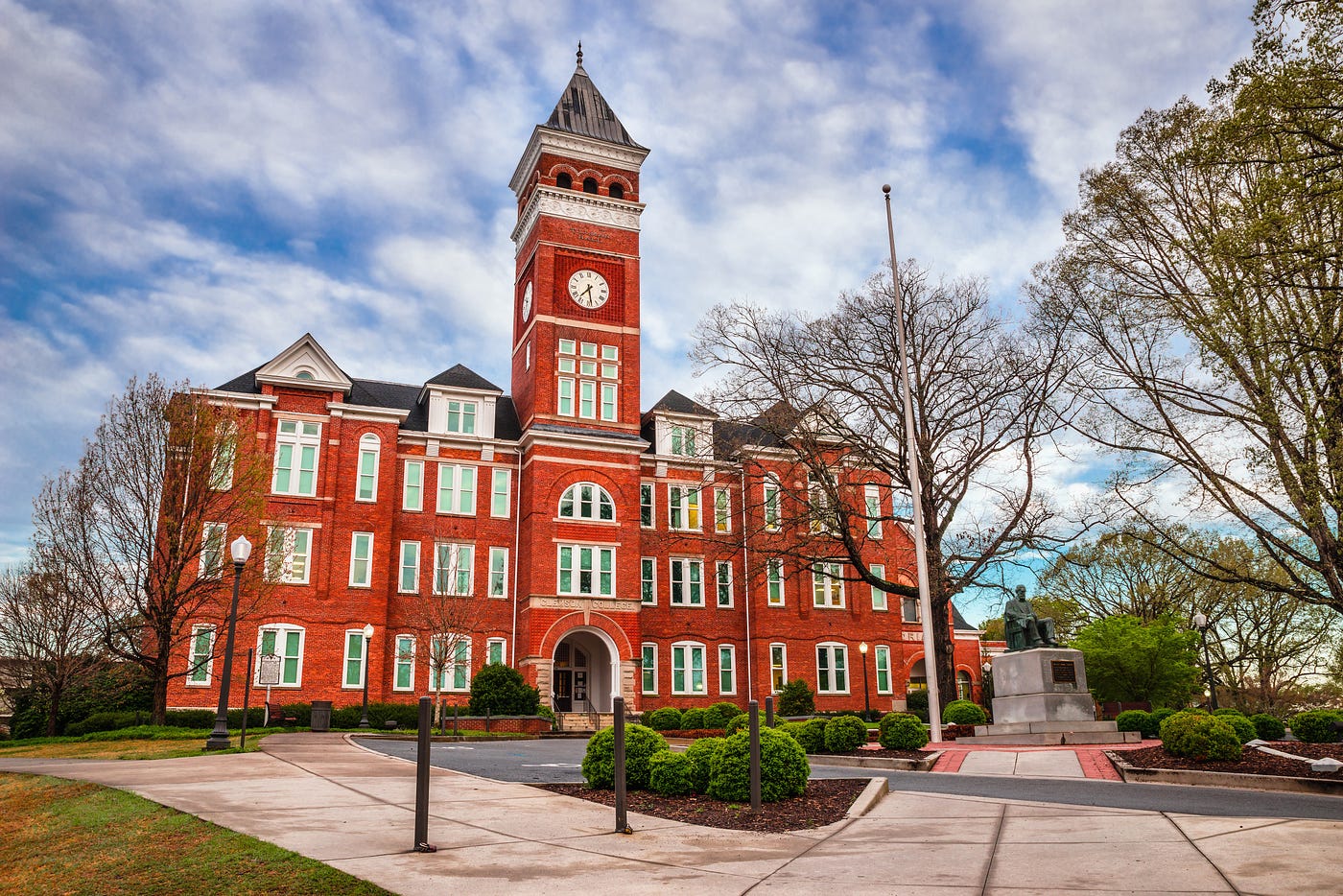
We lived in Clemson, South Carolina, home of the beloved Clemson University and its football team. Although Clemson had a small-town feel and was quite rural, the university attracted students and scholars from every location around the globe. For each country students from my elementary school represented, a flag was hung in the cafeteria. We had well over 120 flags flying above us.
Although our school boasted its huge diversity, the large number of foreign children created a problem for the school district. Most international kids, especially kids from grades K-2, struggled with English. This caused an overflow of students who needed to be in the limited English as a Second Language (ESL) program. We had exactly one teacher, and we were technically considered “lucky” because we were the only elementary school in the whole district to have a designated ESL teacher. I did not participate in the ESL program my kindergarten year because I had already met the benchmark for international kids. I was put in the ESL program at the beginning of my first grade year per teacher request.
We had one period of ESL class everyday, and it cut into our regular schedule. Even though I really needed help in English, sometimes I felt like I was missing out on important lessons the other kids had in regular class. My English did improve, rapidly. Our ESL teacher genuinely cared for and favored the international kids and did her best to teach English and grammar to many foreign students.
As first grade ended, I realized that I was very much ahead of some of the other kids. I began to feel like I had repeated English lessons that I had already mastered on the first try while other kids took days to understand. Then I realized that in the ESL program, there were no separation of levels. Everyone, no matter how good their English was, took the same class. I also noticed that the kids with highly-educated parents adamant about improving their child’s English skills learned very quickly while the others struggled and sometimes felt “left behind.” This difference between parent involvement created an “achievement gap” within the ESL class. I once addressed this to my teacher, but she explained that the state did not have enough funding for schools to open multiple ESL classes to accommodate different kids.
Another problem I saw with the ESL program was that the teacher, whom I loved very much, could not teach by speaking the language of her students. She possibly might have had some experience with Spanish, but almost none of her students were Hispanic or Latino. Most of her students were Asian or European: from countries like China, South Korea, France, or Germany. When she had to describe or explain something to a foreign student in their own language, she often had to find a more advanced student to translate for her. I myself became a Chinese translator while ironically, still trying to improve my English. This system caused a lot of trouble and confusion because there were more than enough times when no one understood what the other said.
For an ESL program to work efficiently, there needs to be separation of class levels. Schools cannot simply group all international kids together without considering their varying English levels. There needs to be teachers who can communicate with students in their native language. I understand it is impossible to cover every single language, but the language an ESL teacher should be able to speak should reflect the international student population.
My elementary school days in the ESL program were some of my most enjoyable times in the public education system. I found it enriching and fun, but even as a young child, I could see improvements that needed to be made for it to be a comprehensive program for all kids. Furthermore, I believe that the government should put more time and funding to ESL programs in general. It is crucial for every child living in America to know how to speak English fluently. Improvements made to the program can help every English as Second Language child enhance their English skills at the same rate as their peers. No one should be left behind, especially when it comes to language barriers.